sound designer, composer, director
Search
Category:

Blog

Analog Neural Synthesis

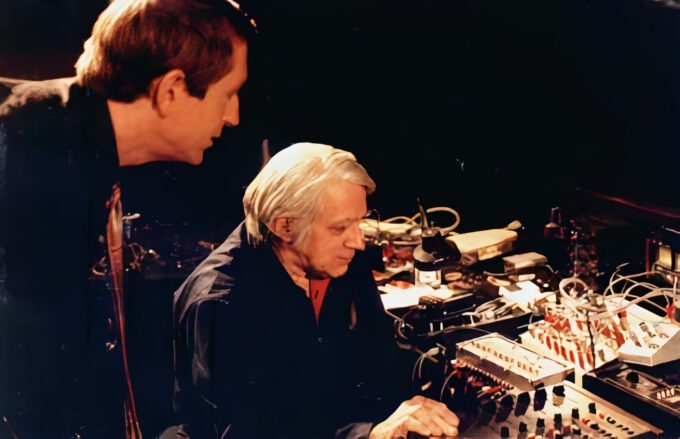
Already in 1990, musical experiments with analog neural networks have been made. David Tudor, a major figure in the New York experimental music scene, collaborated with Intel to build the very first analog neural synthesizer.
To live

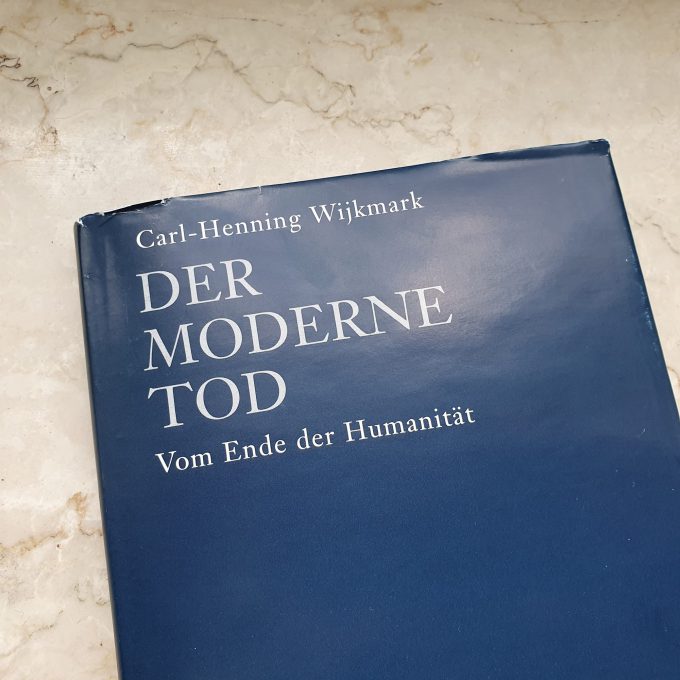
Justified criticism of the regents mixes with dangerous trivialisation of the virus, existential fear can no longer be separated from the fear of the health risk, highly interesting ethical questions come to a radical head and are buried under a wave of opinions and assertions. Out of this serious confusion - once again - a good book has helped me. I took the crisis as an opportunity to re-read one of the books that is most important to me, "The Modern Death" by Carl-Henning Wijkmark, under the light of the Corona pandemia. Reading it has brought me peace with the restriction of freedom. Read in my personally colored book review why:

… and the music keeps on playing on and on …

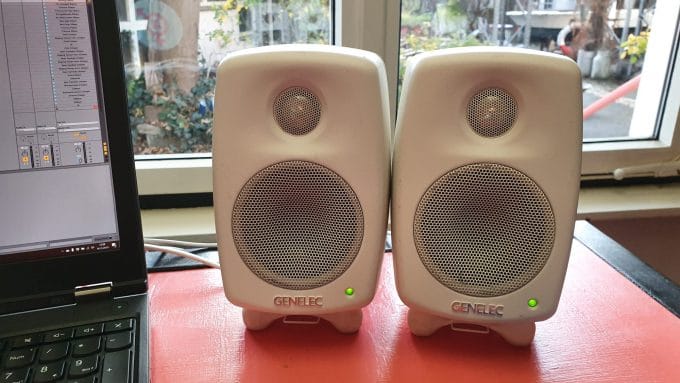
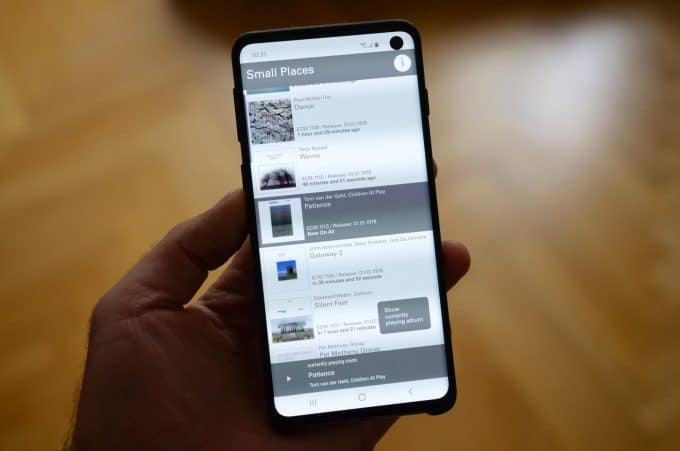
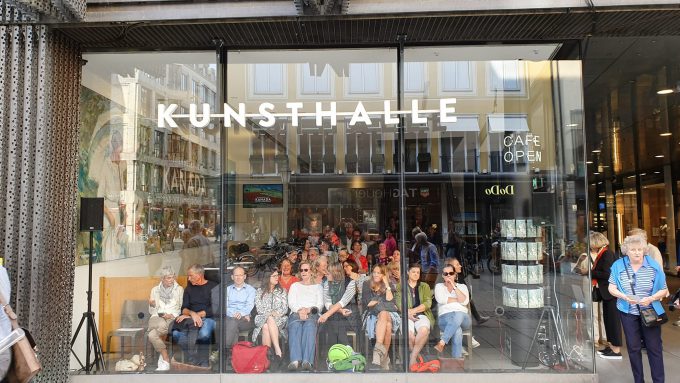
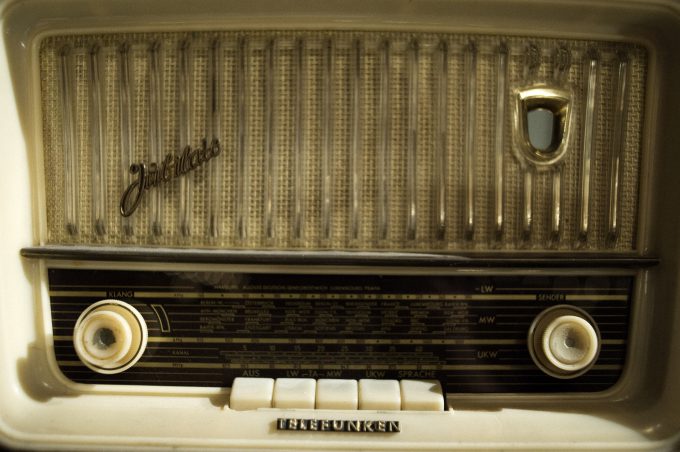
As a student I had made it my habit not to turn off the music when I left the apartment but the album I was listening to had not yet come to an end. To me it seemed disrespectful towards the music to just turn it off. What was brought into oscillation should be allowed to finish. On the creation of "Small Places", a sound installation for ECM Records‘ 50th anniversary as part of the RE:ECM exhibition at Storage by Hyundai Card in Seoul, Korea, 2019.

The sound within the orchestra

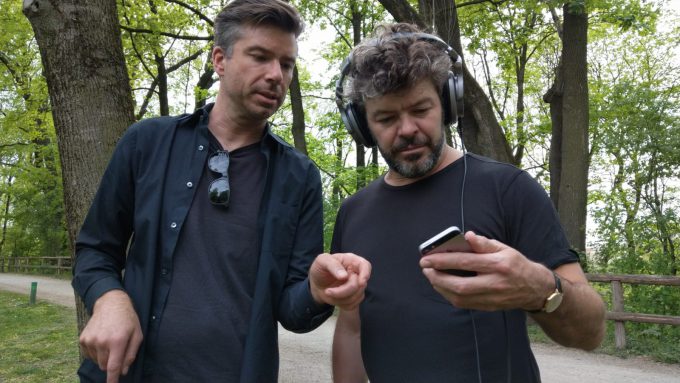
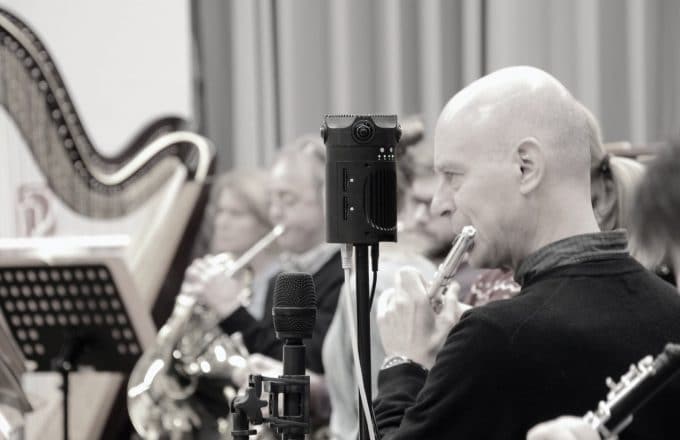
The sound impression for the musician in the orchestra is clearly different from the sound impression of the audience. Not only the instruments, but the entire body of sound is designed to resonate with the concert hall and enter into a symbiotic connection with the room. As a listener in the hall, one hears the result of this complex connection. Is it possible to let a listener hear the sound of the musician within the orchestra through media? Report on a 360° Virtual Reality research project with the Munich Symphony Orchestra

Music theatre and Digitality

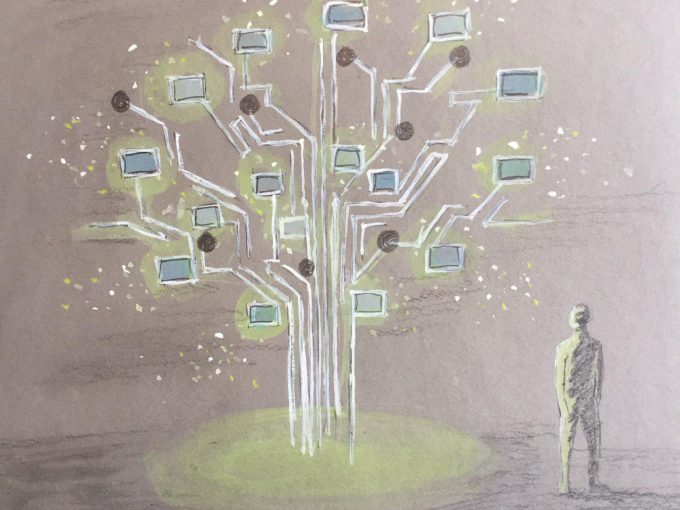
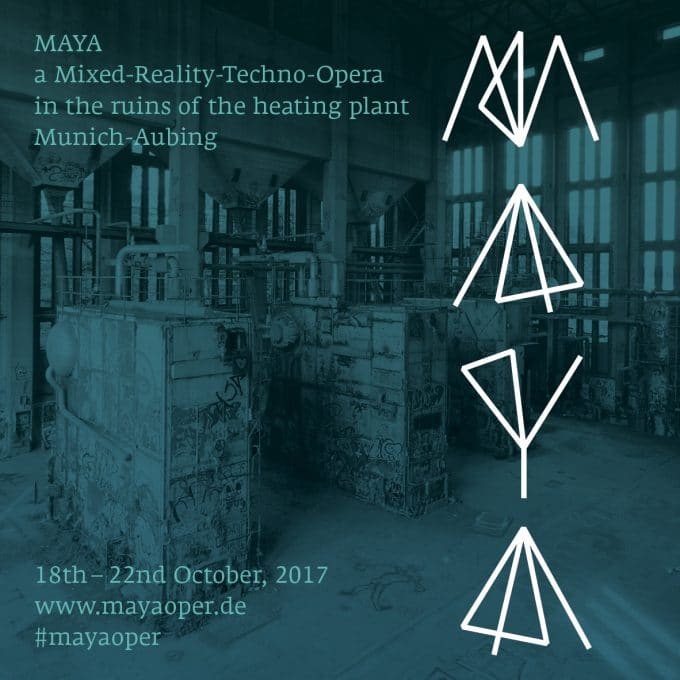
The change from linearity to non-linearity associated with digitalization is accompanied by a change in the perception of art and culture. We now have the chance to shape our co-existence with the algorithms, not only socially and politically, but also artistically.