sound designer, composer, director
Search
Category:

xt

The Trial

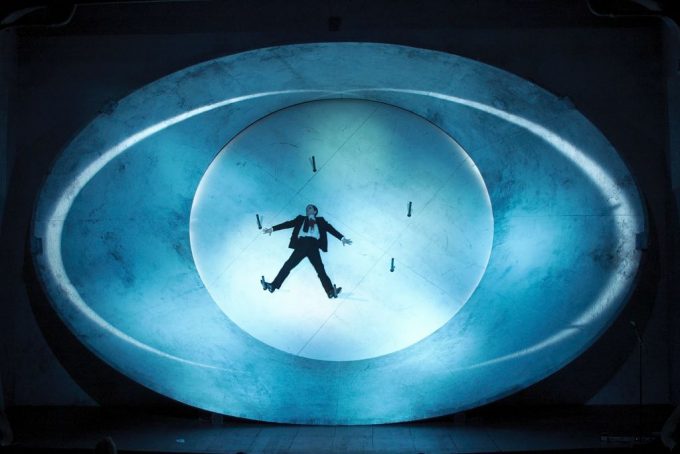
Andreas Kriegenburg's stage design (Münchner Kammerspiele) works with two layers: a wall just a few metres behind the front edge of the stage creates a claustrophobically close-fitting apron, into which an initially upright revolving stage is built. When this is lowered, a further space opens to the rear. The staging was completely microphoned and amplified so that the actors could strike a non-declamatory note. I translated the perspectives of the stage design into different sound levels and perspectives.
Troilus and Cressida

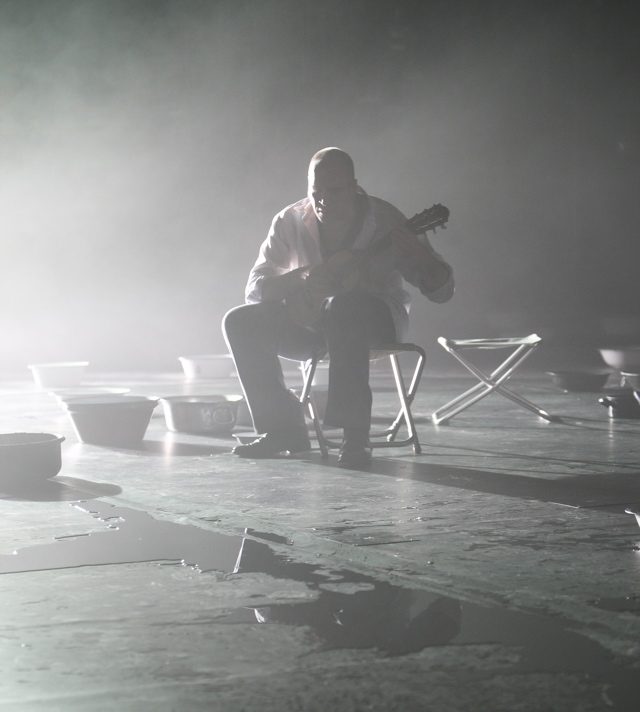
Empty stage, no music, it rains (director and room: Luk Perceval). The scene changes and the sound of the speech became audible through different acoustic spaces. We installed nine microphones hanging from the Schnürboden, through which the voices of the actors were amplified and alienated. From the sounds of the raindrops we created musical atmospheres. A small guitar plays in addition.

The Parade

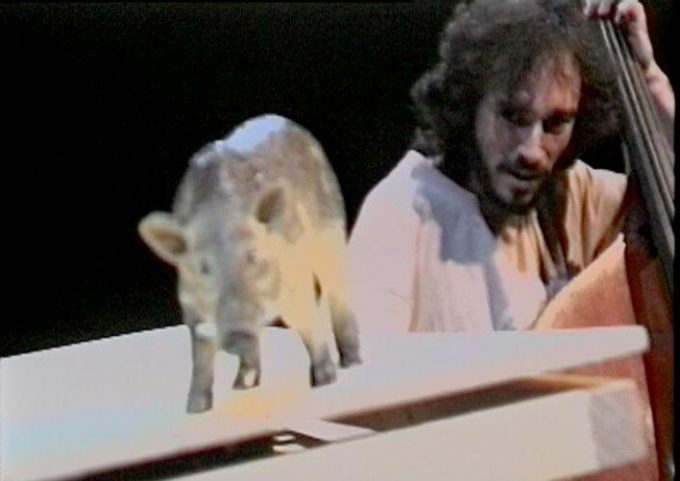
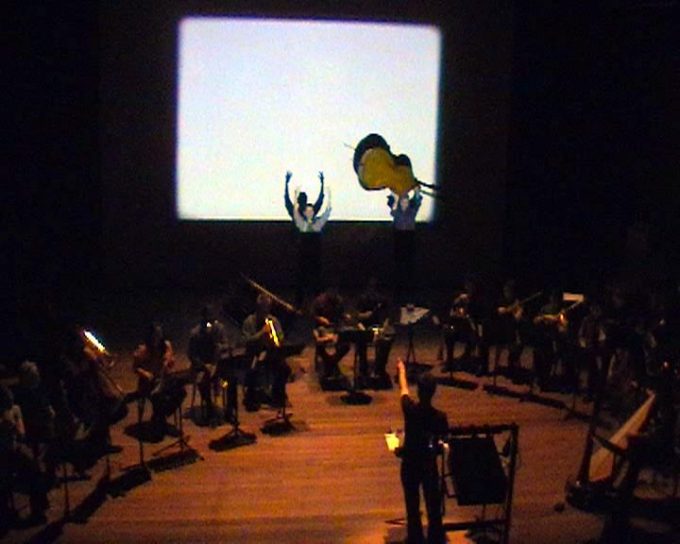
A miniature stage, inclinable to all directions, is fitted with a so-called bass shaker, which causes the stage to vibrate depending on the input signal. Plugged to an instrument, this installation allows the double bass player to move the toys placed on the miniature stage around through his music. Always in accordance with the direction of inclination, the objects end up dropping down onto a drum that lies on the ground, which – amplified with a lot of reverb – causes a resounding mess.

The singing camera by Mendel Hardeman

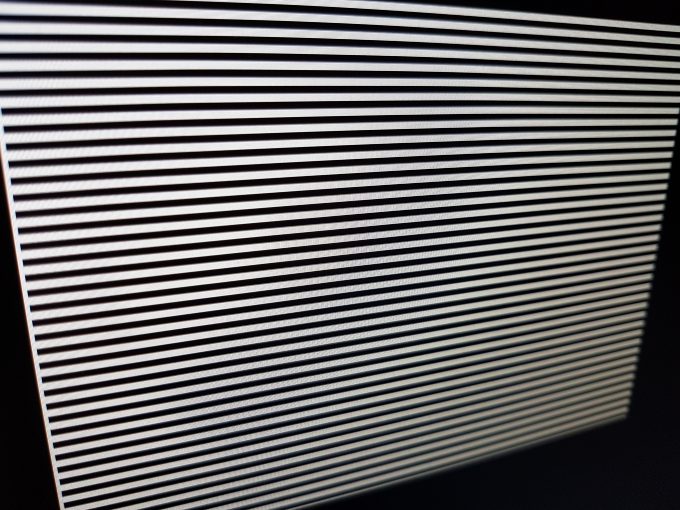
The singing camera by Mendel Hardeman was an experiment on how to create sound with a video camera: an image-based sound synthesizer. As the sound programmer, I helped him realizing it by taking the video output from his cameras, translating them into sound sources in my Kyma system, and processing them through matrixed cross-modulations and distortion. This is not an interpretation of the visuals; it's listening to the video signal directly as sound. Listen: